Metals & Mining
Rare Earths Americas Doubles the Footprint at Homer
Assays expand the mineralized zone by more than 60% to about 3.5 square kilometres at the Brazilian project.
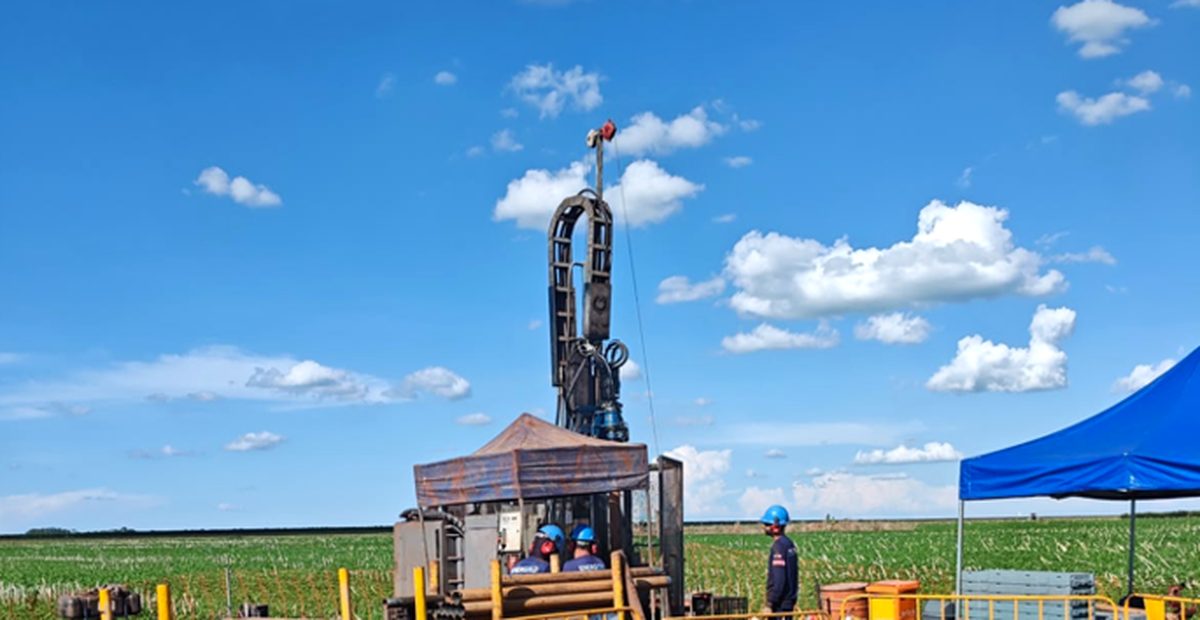
Rare Earths Americas says the latest assay results more than doubled the mineralized zone at its Homer project in Brazil, expanding the known footprint by over 60% to roughly 3.5 square kilometres, Mining.com reported.
Footprint is not the same as reserve, and investors should keep the distinction sharp. An expanded mineralized zone improves the case for scale and mine life, but it still has to be converted into a resource estimate, a mine plan and permitting before it means production.
What it does change is the negotiating position. A larger geological envelope supports longer conversations with offtakers and financiers, at a time when non-Chinese rare earth supply is being valued as much for its address as for its grade.
Three things to carry
- The mineralized zone grew more than 60% to about 3.5 square kilometres.
- Footprint is not yet a reserve or a mine plan.
- Scale strengthens the project's position with offtakers and lenders.
Source and reuse note
This is an original editorial brief by LOADLINE. It summarises and comments on reporting published by Mining.com; it does not reproduce that article. The summary was prepared from the publisher's public RSS metadata, and the full text was not available for reuse at the time of writing.
Read the original at Mining.com ↗No affiliation with the publisher is implied. Figures mentioned here are those stated in the source metadata; anything described as analysis is our own. Nothing on this page is investment advice.