Energy
What a Struck LNG Carrier Does to Gulf War-Risk Cover
A reported mine strike on a liquefied gas carrier puts the insurance and chartering side of the Hormuz trade back under the microscope.
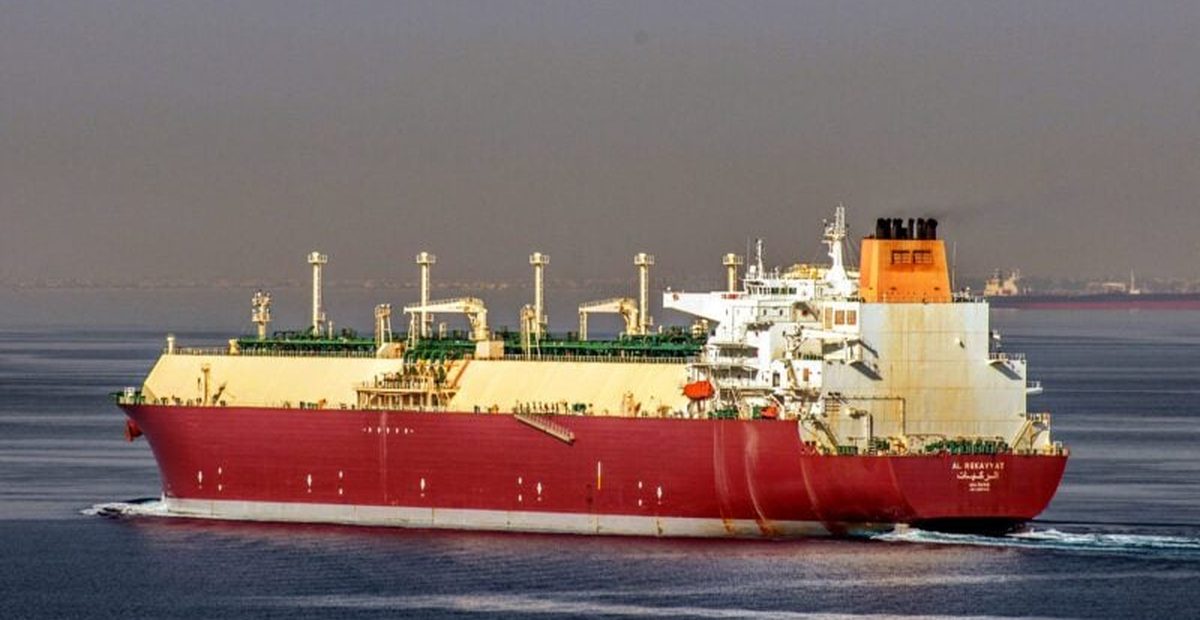
Iran's Revolutionary Guard navy said a tanker carrying liquefied natural gas struck a naval mine and exploded in the Strait of Hormuz on Friday, describing the vessel as having used an unauthorized and dangerous route, state media reported via gCaptain.
Damage to a gas carrier is a different category of event from damage to a crude tanker. Containment, cargo behaviour and port acceptance all complicate the response, and underwriters price that complexity into war-risk cover for every subsequent transit.
The commercial consequence arrives before any repair bill. Charterers renegotiate, some owners decline the route, and the effective capacity of the strait shrinks without a single barrel being lost. Insurance terms, not only spot prices, are the leading indicator of how tight the corridor has become.
Three things to carry
- Gas carriers carry risk profiles that crude tankers do not.
- War-risk terms transmit disruption faster than physical loss.
- Effective corridor capacity can fall before volumes do.
Source and reuse note
This is an original editorial brief by LOADLINE. It summarises and comments on reporting published by gCaptain; it does not reproduce that article. The summary was prepared from the publisher's public RSS metadata, and the full text was not available for reuse at the time of writing.
Read the original at gCaptain ↗No affiliation with the publisher is implied. Figures mentioned here are those stated in the source metadata; anything described as analysis is our own. Nothing on this page is investment advice.