Energy
Eight Months of Hormuz Disruption and the Bill Still Coming Due
A retrospective on how the Iran war reshaped energy flows: higher prices in the United States, physical shortages almost everywhere else.
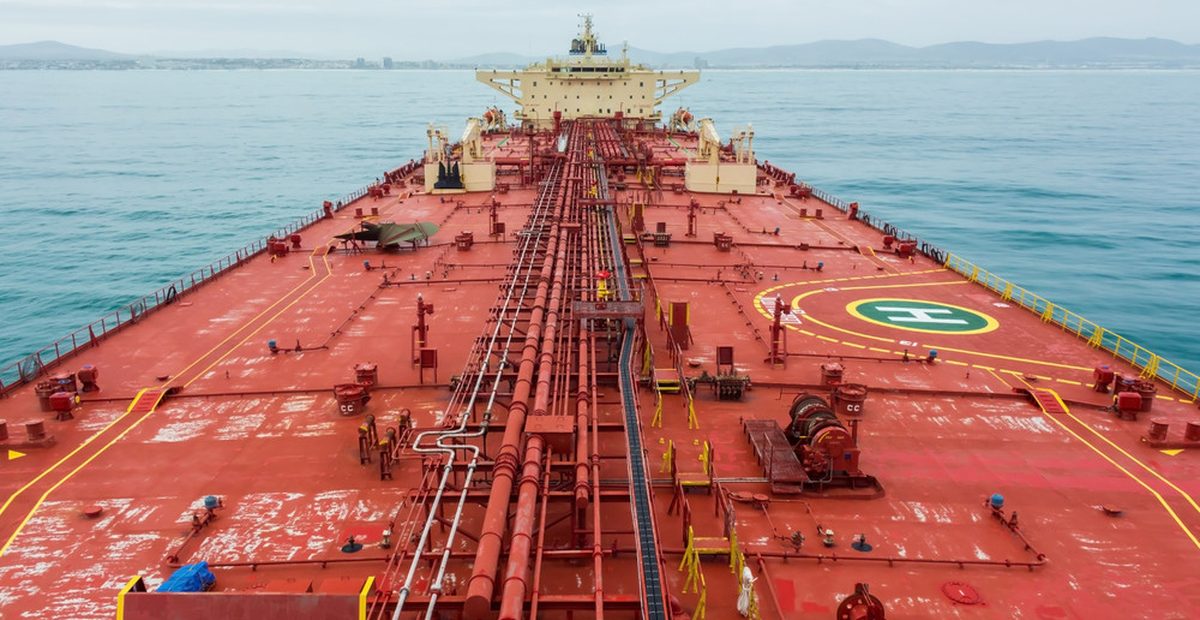
Eight months into the Iran war, the energy market has settled into an uncomfortable routine. American consumers mostly meet the conflict at the pump and in the inflation print, while import-dependent economies meet it as a procurement problem: liquefied petroleum gas in India, fertilizer inputs, and the freight and insurance that move both.
The OilPrice retrospective returns to an argument made earlier in the conflict, when disruption of traffic through the Strait of Hormuz was still being treated as a temporary shock. The pressure points it identified, LPG availability in India and tightening fertilizer markets, have not disappeared. They have become the base case that buyers plan around.
That distinction matters for how risk is priced now. A war premium that decays with each de-escalation headline is different from a structural cost embedded in routes, inventories and contract terms. The first can be traded. The second has to be hedged, and it is the second that eight months of disruption have built.
Three things to carry
- Price effects are global; shortage effects are local and persistent.
- LPG and fertilizer remain the soft spots of the supply map.
- The market is now pricing structure, not only headlines.
Source and reuse note
This is an original editorial brief by LOADLINE. It summarises and comments on reporting published by OilPrice; it does not reproduce that article. The summary was prepared from the publisher's public RSS metadata, and the full text was not available for reuse at the time of writing.
Read the original at OilPrice ↗No affiliation with the publisher is implied. Figures mentioned here are those stated in the source metadata; anything described as analysis is our own. Nothing on this page is investment advice.