Energy
A Gas Carrier, a Mine and the Rules of the Strait
Iran says an LNG carrier struck a mine while using an unauthorized route through Hormuz, a reminder that transit is now governed by permission as much as by tide.
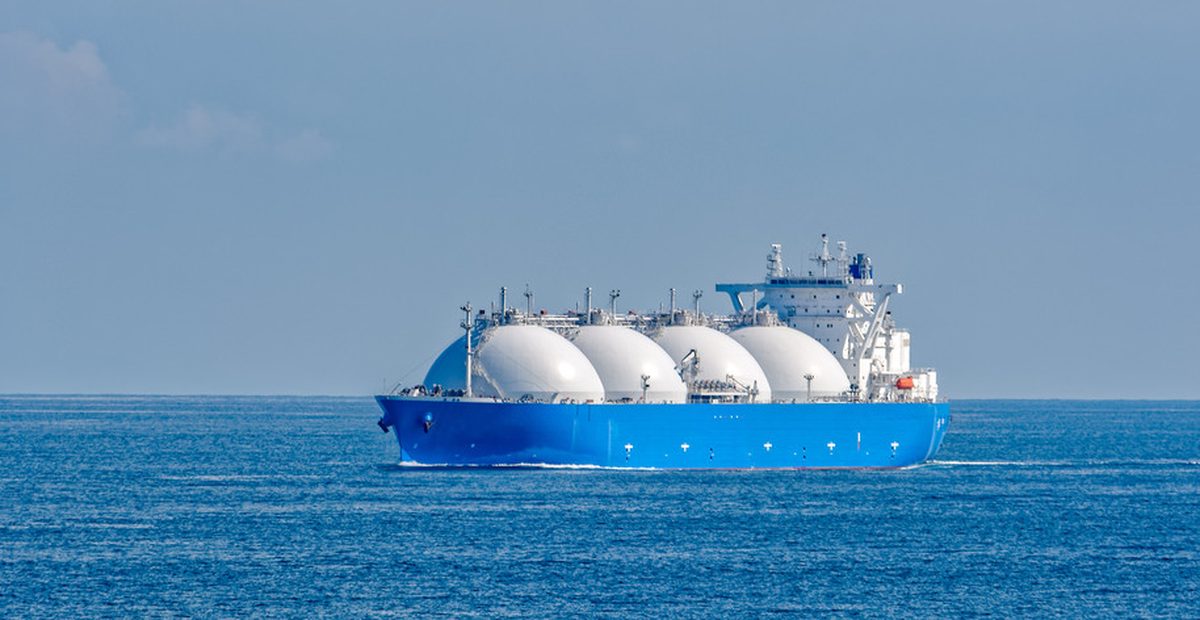
Iran's Revolutionary Guard navy said a tanker carrying liquefied gas struck a mine and exploded on Friday in the Strait of Hormuz, according to state media cited in the report. The vessel was described as having used an unauthorized and dangerous route.
The detail about the route is the part that matters commercially. When a chokepoint stops being a shared waterway and starts being a permissioned corridor, the risk model changes. Voyage planning, convoy timing and the identity of the hull all enter the price of a cargo alongside the usual freight and fuel components.
Attacks on energy shipping through the strait have intensified over the past month, with incidents reported almost daily. For charterers, that frequency erodes the assumption that one safe pattern can be found and reused. Each transit becomes a discrete decision with a political dimension.
Three things to carry
- The reported route violation turns a shipping story into a permissions story.
- Daily incident frequency undermines any stable transit pattern.
- Cargo planning now carries an explicit political risk component.
Source and reuse note
This is an original editorial brief by LOADLINE. It summarises and comments on reporting published by OilPrice; it does not reproduce that article. The summary was prepared from the publisher's public RSS metadata, and the full text was not available for reuse at the time of writing.
Read the original at OilPrice ↗No affiliation with the publisher is implied. Figures mentioned here are those stated in the source metadata; anything described as analysis is our own. Nothing on this page is investment advice.