Freight & Inventory
Cold Storage Inventories Settle at a Lower Level
Lineage says customer stocks have stabilized as it closes underused facilities to tighten supply and cut leverage.
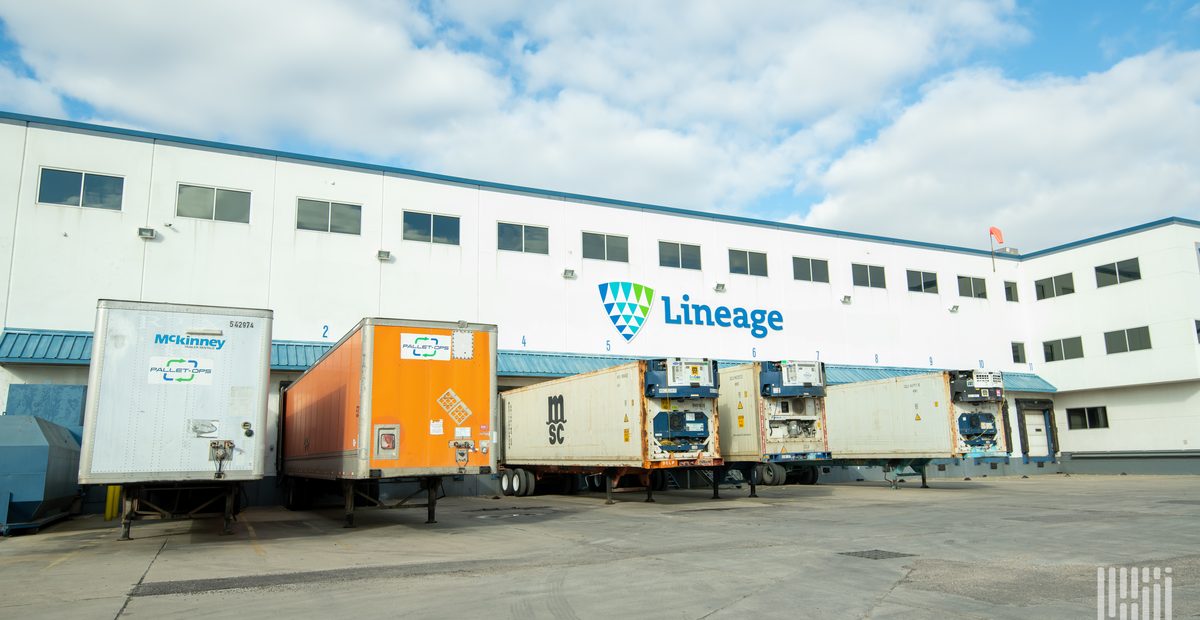
Lineage reported on its third-quarter call that customer inventories have stabilized at lower levels, and that it continues closing underutilized facilities to tighten supply and reduce debt leverage, FreightWaves reported.
Cold storage is a capacity business with high fixed costs and slow demand shifts. When customers draw down inventory, the operator loses throughput but keeps the rent, which is why utilization matters more than the headline revenue line.
Closing facilities is the standard response and it works with a lag. The risk is that supply tightens just as food producers rebuild stocks for the next cycle, leaving the operator short of space at the moment pricing improves.
Three things to carry
- Customer inventories have stabilized at a lower base.
- Capacity closures are being used to support pricing and cut debt.
- Timing the reopening of capacity is the sector's recurring problem.
Source and reuse note
This is an original editorial brief by LOADLINE. It summarises and comments on reporting published by FreightWaves; it does not reproduce that article. The summary was prepared from the publisher's public RSS metadata, and the full text was not available for reuse at the time of writing.
Read the original at FreightWaves ↗No affiliation with the publisher is implied. Figures mentioned here are those stated in the source metadata; anything described as analysis is our own. Nothing on this page is investment advice.