Freight & Inventory
A Coalition Wants Electricity to Carry 35% of Shipping by 2035
The framework sets an electrification target for international shipping energy demand.
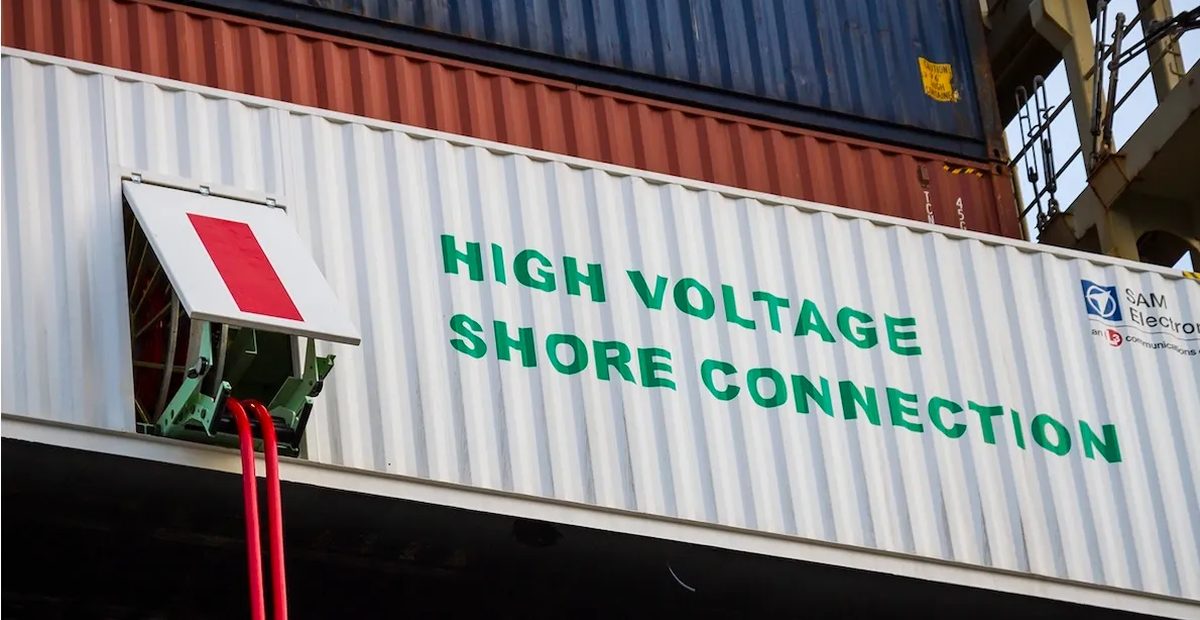
The Port of Long Beach and a multinational coalition are aiming for electricity to meet 35% of international shipping's energy demand by 2035, FreightWaves reported.
The target is ambitious given how little of the global fleet can run on electricity today. Shore power, battery-hybrid harbour craft and electrified cargo handling are the near-term wins; deep-sea propulsion is a much longer project.
Ports have an advantage in this transition because they control the infrastructure that vessels plug into. A coalition that aligns berth power standards can move faster than a global fuel standard, and it shifts the investment burden toward the terminals that benefit from cleaner air.
Three things to carry
- The coalition target is 35% of shipping energy by 2035.
- Shore power and harbour craft are the near-term opportunities.
- Port-controlled infrastructure can move faster than global fuel rules.
Source and reuse note
This is an original editorial brief by LOADLINE. It summarises and comments on reporting published by FreightWaves; it does not reproduce that article. The summary was prepared from the publisher's public RSS metadata, and the full text was not available for reuse at the time of writing.
Read the original at FreightWaves ↗No affiliation with the publisher is implied. Figures mentioned here are those stated in the source metadata; anything described as analysis is our own. Nothing on this page is investment advice.